

The Spanish furniture retail market is valued at approximately €11 billion. Driven by the recovery of the real estate market, deeper e-commerce penetration, and renewed demand for home upgrades, the market continues to show a steady growth trend. In 2024, online sales of furniture in Spain exceeded €1 billion, with the e-commerce penetration rate increasing year by year.
The Spanish furniture retail sector is distinctly layered, with both local and international brands coexisting. Local retailers such as Conforama España, Muebles Boom, Tuco, and Lufe are rooted in the low to mid-range market. International brands like IKEA, Maisons du Monde, JYSK, and Kave Home operate across all price segments, emphasizing design and sustainable concepts. The high-end market is led by Roche Bobois and Zara Home‘s premium series, though their share remains relatively limited. Large chains dominate retail channels, while smaller furniture stores have seen a decline in market share. Companies like IKEA, Conforama, and JYSK boast extensive store networks, standardized supply chains, and clear price advantages. In contrast, small and medium-sized home furnishing stores are gradually losing market share due to insufficient competitiveness and lagging digitalization.
Ⅰ. Spain’s Top 10 Furniture Retailers
1. IKEA Iberica S.A.U.
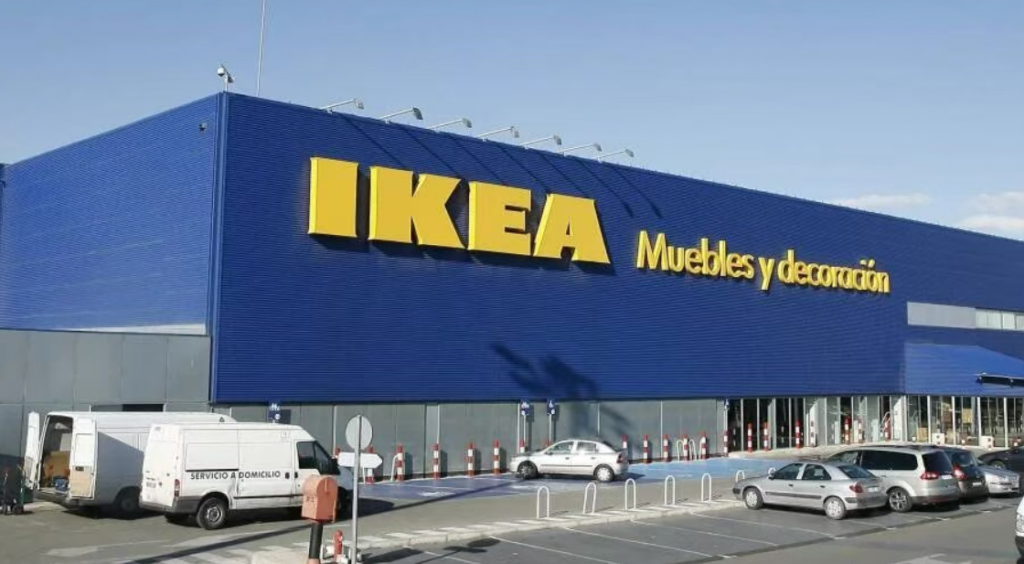
IKEA Iberica S.A.U. is the Spanish subsidiary of the Swedish furniture giant IKEA Group, responsible for managing IKEA’s retail operations in the country. IKEA first entered the Spanish market in 1996, with its first store located in Badalona, a suburb of Barcelona. Since then, it has gradually expanded to become one of Spain’s most iconic home furnishing retail brands.
Currently, IKEA Spain maintains its market dominance with an annual turnover exceeding €1.7 billion. Despite inflationary pressures and reduced consumer spending, IKEA Spain has achieved steady growth through online-offline integration, multi-channel sales, and store layout adjustments. The company currently operates 19 large traditional stores in major cities and their suburbs, including Madrid, Barcelona, Seville, Valencia, Zaragoza, Bilbao, and Malaga. Additionally, IKEA Spain is aggressively pursuing a “small urban store” strategy, with over 40 small stores and planning centers in city centers, particularly in Madrid and Barcelona. The company has also set up multiple pickup points and pop-up stores to enhance logistics convenience and brand penetration.
2. JYSK

JYSK was founded by Lars Larsen in Denmark in April 1979. The company operates medium-sized stores selling furniture, bedding, and home decor products, emphasizing Nordic minimalism. Since the 21st century, it has gradually expanded globally and now has over 3,400 stores in 48 countries and regions. Dubbed “Denmark’s IKEA” by the media, its annual revenue is approximately €5.6 billion.
JYSK entered the Spanish market in 2009 and now operates over 150 stores in the country, with an annual revenue of around €221 million and more than 2,000 employees. The company plans to establish about 300 stores in Spain and Portugal in the future to support continued expansion.
JYSK focuses on Nordic design and affordability, with product lines emphasizing bedding, living furniture, and decorative items. Its style promotes the cozy Nordic “Hygge” concept, often offering friendly prices and discounts. While its positioning is similar to IKEA, JYSK stores are smaller, more flexible, and locally adapted.
3. Conforama España S.A.
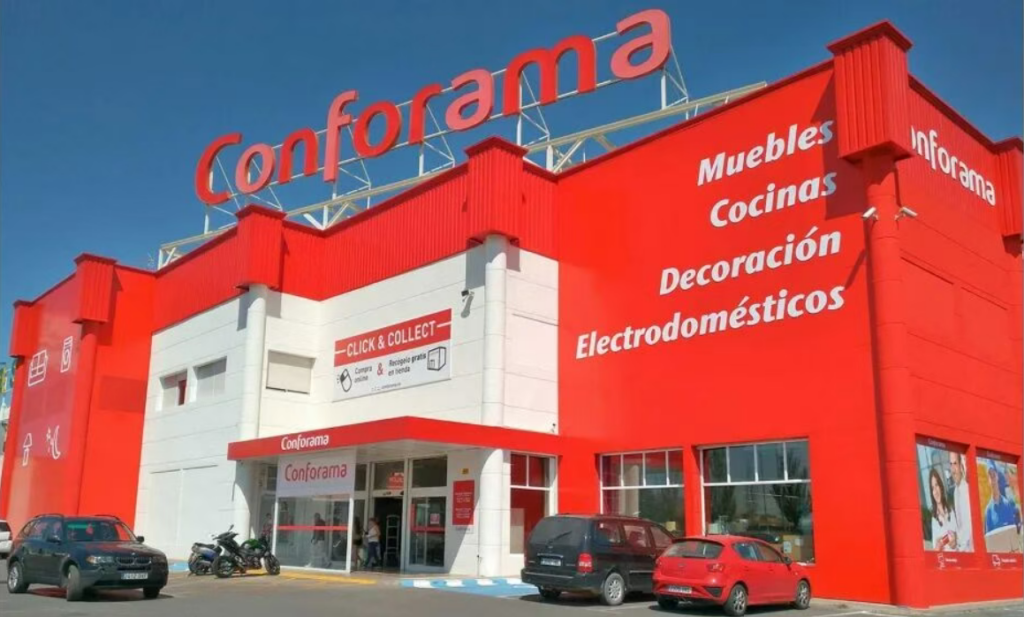
Conforama is a well-known French furniture retailer established in 1967. Its independent Spanish subsidiary, Conforama España S.A., was founded in the same year as the brand’s local operating entity in the Iberian Peninsula market. As Europe’s second-largest furniture retail chain, Conforama has over 30 years of development history in Spain, with strong brand recognition and trust.
Conforama España’s annual total revenue is approximately €700 million. It operates about 46 stores in Spain and 13 in Portugal, totaling 59 stores. The company emphasizes competitive pricing, promoting discounted furniture and household appliances, and positions itself as a mid-market brand offering both home comfort and affordability. Its diverse product range includes sofas, mattresses, living and bedroom furniture, kitchen solutions, appliances, and decorations, providing one-stop solutions for furniture needs.
4. Zara Home
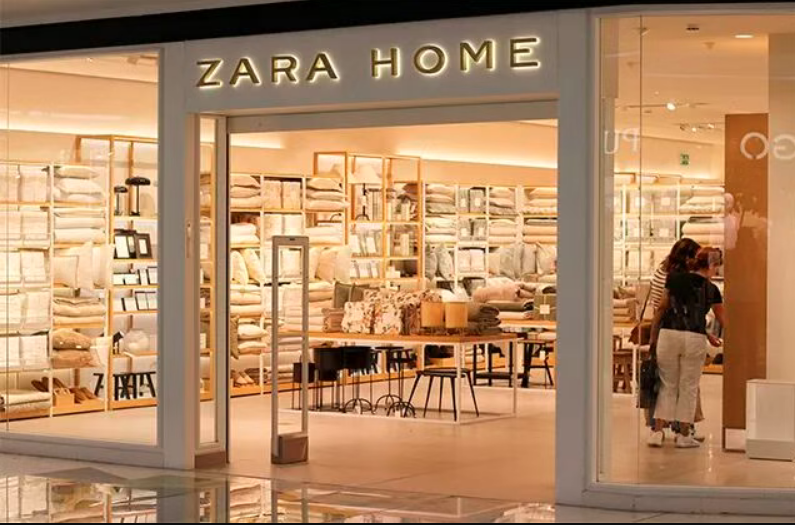
Zara Home is part of the Spanish fashion giant Inditex Group. It opened its first store in Spain in 2003, extending Inditex’s brand into the home living sector.
Zara Home’s global annual revenue is approximately €2.8 billion, with about €630 million generated in the Spanish market. Its global e-commerce platform, zarahome.com, contributes net online sales of around €432 million. Currently, Zara Home operates about 427 stores worldwide across more than 44 countries and regions, including 94 stores in Spain.
Zara Home focuses on blending local and global design trends. Its product lines center on home textiles (bedding, bath towels, tablecloths), complemented by tableware, decorations, and light furniture. Designs combine Nordic minimalism with Mediterranean elements, with new collections launched weekly and seasonal updates covering modern, classic, ethnic, and rustic themes.
5. Brico Depot Iberia
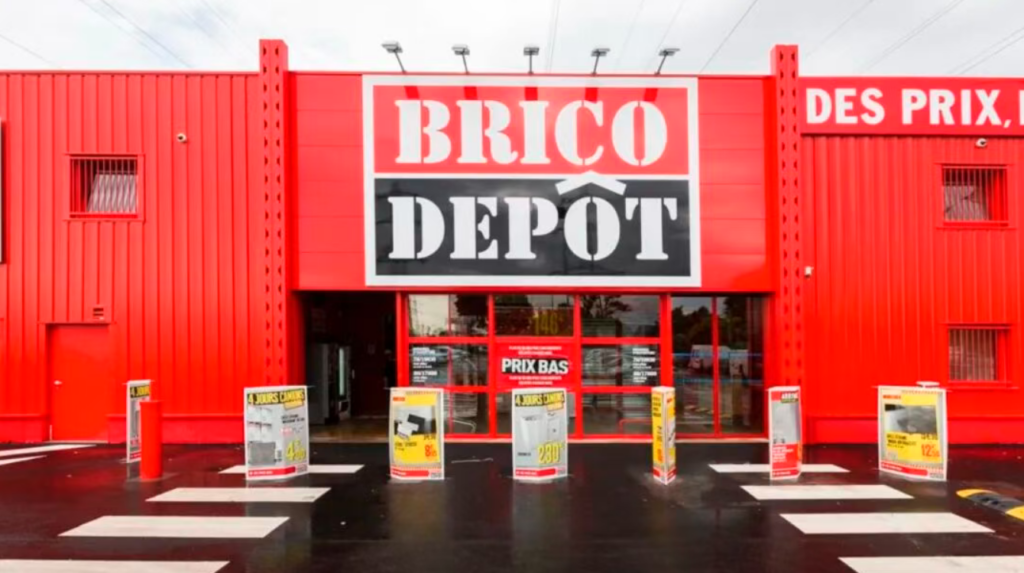
Brico Depôt is a well-known French home improvement chain established in France in 1993. It is now part of the British Kingfisher Group. Brico Depôt entered the Spanish market in 2003 and the Portuguese market in 2014, operating through its subsidiary Brico Depot Iberia.
Brico Depôt Iberia’s annual sales revenue is approximately €459 million, with digital channels accounting for about 33% of sales. It operates 31 stores in Spain and Portugal, including 28 in Spain and 3 in Portugal. These stores are typically large warehouse-style DIY supermarkets with extensive SKUs, located in major cities and suburbs.
Brico Depôt positions itself as an integrated retailer for professional DIY and home improvement, offering building materials, renovation tools, gardening supplies, and products for home projects. Its categories include walls, flooring, bathrooms, electrical, lighting, and carpentry, targeting both home users and small professional construction teams and independent technicians.
6. Leroy Merlin España

Leroy Merlin España is the Spanish subsidiary of the French Adeo Group’s Leroy Merlin brand, focusing on home improvement retail in Spain. The brand first entered the Spanish market in 1989, and Leroy Merlin España was subsequently established as the local operating entity to manage market development within the group’s international expansion system.
Leroy Merlin España’s annual revenue exceeds €359 million. It operates 137 stores in Spain, including large supermarket-style outlets (over 5,000 square meters), medium-sized stores (2,000–4,000 square meters), and a few small urban stores. The company aims to have “80% of the population within 30 minutes of a store” and plans to add about 11 new stores and several warehouse facilities by 2027.
Leroy Merlin España focuses on a full range of DIY and home improvement products, covering home renovation, gardening, building materials, appliances, and renovation services. It serves both household users and professional clients such as renovation contractors and electricians.
7. Kave Home S.L.
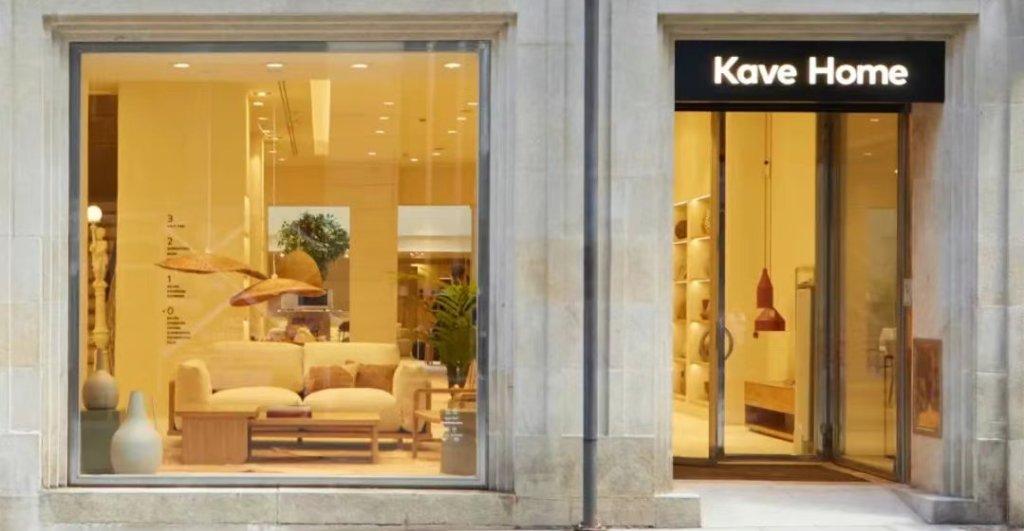
Kave Home was initially established as a furniture workshop by Francesc Julià Ametller in 1982 and quickly grew into an international furniture brand integrating design, manufacturing, and retail.
Kave Home’s annual revenue exceeds €262 million, with online sales on kavehome.com reaching approximately €71.44 million. The company operates 146 sales points globally, including flagship stores, franchised stores, and urban mixed spaces combining displays and cafes, covering over 46 countries and regions.
Kave Home is committed to a vertically integrated design and manufacturing system. It maintains high control from design and R&D to production, ensuring a balance of quality, functionality, and aesthetics. The brand emphasizes affordable design furniture, blending Nordic and Mediterranean minimalism with a focus on durability and visual appeal. Kave Home promotes sustainable operations and eco-friendly practices, with an advanced logistics and recycling center in Tordera, Spain. It drives furniture recycling initiatives and has achieved net-zero greenhouse gas emissions for several years, along with FSC material certification.
8. Bauhaus España
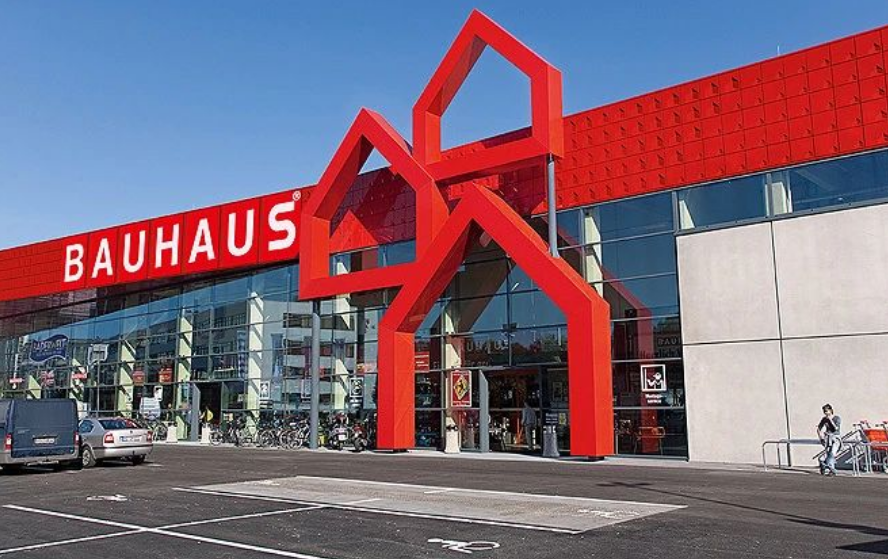
Bauhaus is a longstanding German home improvement retailer focused on the mid-to-high-end DIY and renovation services market. Founded in 1960, it entered the Spanish market in 1989. Bauhaus España’s annual revenue is approximately €230 million, with online sales on bauhaus.es reaching about €36.37 million.
Bauhaus España operates large one-stop home improvement and DIY centers, with 12 stores in Spain averaging 8,000 square meters each. These stores feature gardening areas, drive-in facilities, and sustainable amenities. Each store typically offers over 120,000 SKUs across 15 professional sections, including home renovation, gardening, tools, electrical equipment, and building materials. Stores are equipped with professional consultant teams providing project guidance, wood cutting services, and self-pickup areas, emphasizing comprehensiveness and professionalism.
9. Maisons du Monde
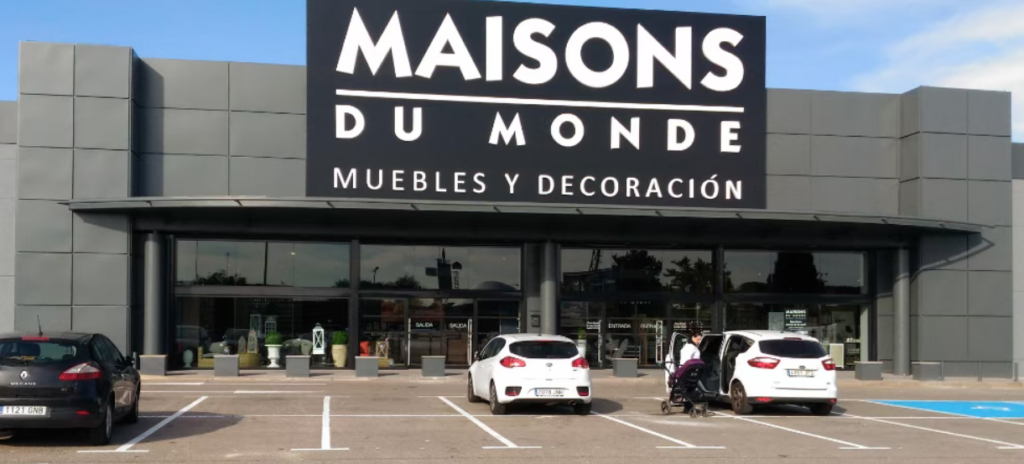
Maisons du Monde is a renowned French furniture retailer founded in 1996. It entered the Spanish market in 2003 and currently operates 333 stores globally. Its annual sales in Spain are approximately €123 million, with 36 stores including directly operated and a few franchised locations. As the company’s third-largest market, Spain has seen sluggish consumption, prompting Maisons du Monde to launch a franchise expansion strategy in 2025. This “entrusted management” model partners with local operators to accelerate store expansion while renovating older stores to enhance the customer experience.
In Spain, physical stores account for about 72% of Maisons du Monde’s sales, while online channels make up 28%. Online channels are gradually gaining traction in the Spanish market, with a focus on localized third-party e-commerce platforms. The company collaborates with over 150 local brands to enrich product variety and enhance brand loyalty.
Maisons du Monde offers diverse and thematic product styles. It emphasizes an “inspired home” experience, with product lines covering furniture, decorations, tableware, lighting, and outdoor series. Styles include Bohemian, Nordic, rustic, urban modern, and vintage, with seasonal themed collections and limited-edition accessories to meet diverse aesthetic preferences. The company is also expanding into new segments such as bathroom furniture and pet products.
10. Embargos a lo Bestia
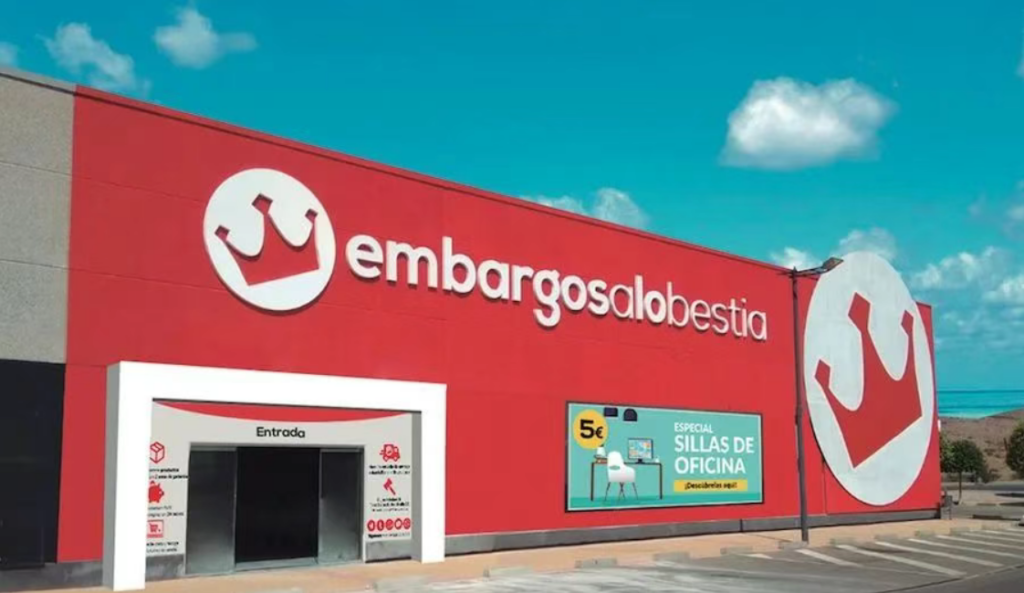
Embargos a lo Bestia was founded by Ignacio Martínez Melgarejo in 2014. Starting as an e-commerce platform for clearing inventory, it quickly evolved into a chain retail model focused on “ultra-low-price home goods and appliances.”
Embargos a lo Bestia’s annual revenue is approximately €40 million, with steady growth targeting €150 million in the next five years. Since its inception, the company has expanded from 3 stores to 27 within a few years, adding 5–7 stores annually. It covers regions including Murcia, Andalusia, Valencia, and Castilla-La Mancha, with plans to expand to about 90 stores nationwide to reach a broader consumer base.
Embargos a lo Bestia adopts a clear “low-price impulse buying” positioning, offering “surprise deals on low-price furniture, appliances, and decorations.” Products include furniture, appliances, electronics, and home accessories, partly sourced from clearance sales and discounted imports, with prices as low as €1, strongly driving impulse purchases.
The company employs a rapid product rotation and inventory update mechanism, frequently changing SKUs and emphasizing “no restocks” to encourage quick purchases. The typical “while supplies last” model reinforces a sense of urgency, driving repeated customer visits.
Ⅱ. Consumer Trends
1. Growing Demand for Multifunctional and Modular Furniture
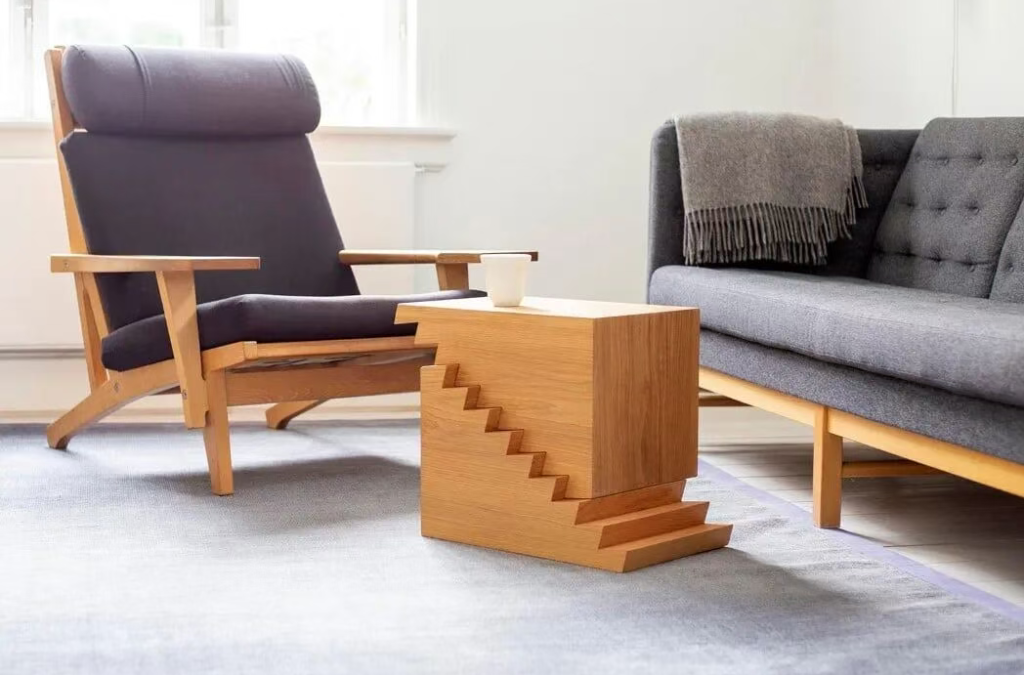
Due to relatively limited urban living space in Spain, foldable and modular furniture has become highly popular. “Small-space solutions” are a key selling point, prompting retailers to increase investments in multifunctional space-saving products for living rooms and bedrooms.
2. Emphasis on Sustainability and Local Manufacturing
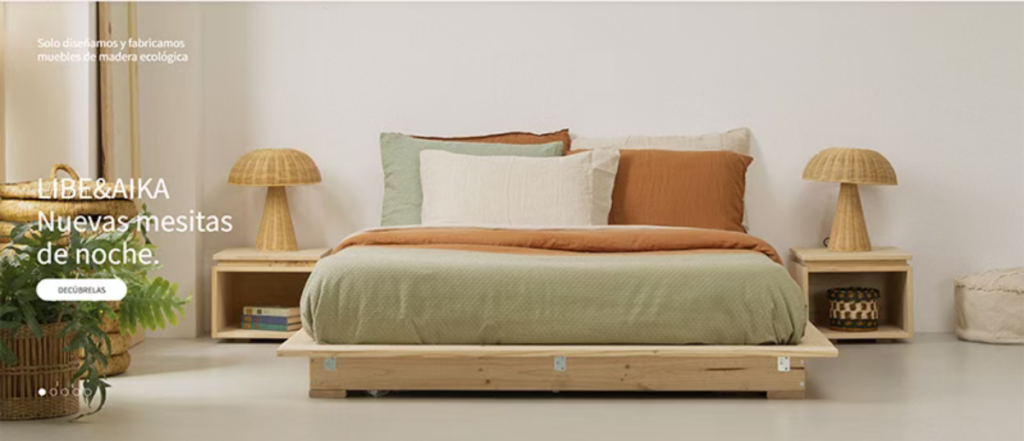
“Made in Spain” and eco-certifications are increasingly becoming value-added factors for consumers. Local affordable brands like Lufe gain market favor with “renewable pinewood and low-carbon logistics.”
3. High-Frequency Purchases Focus on Soft Furnishings
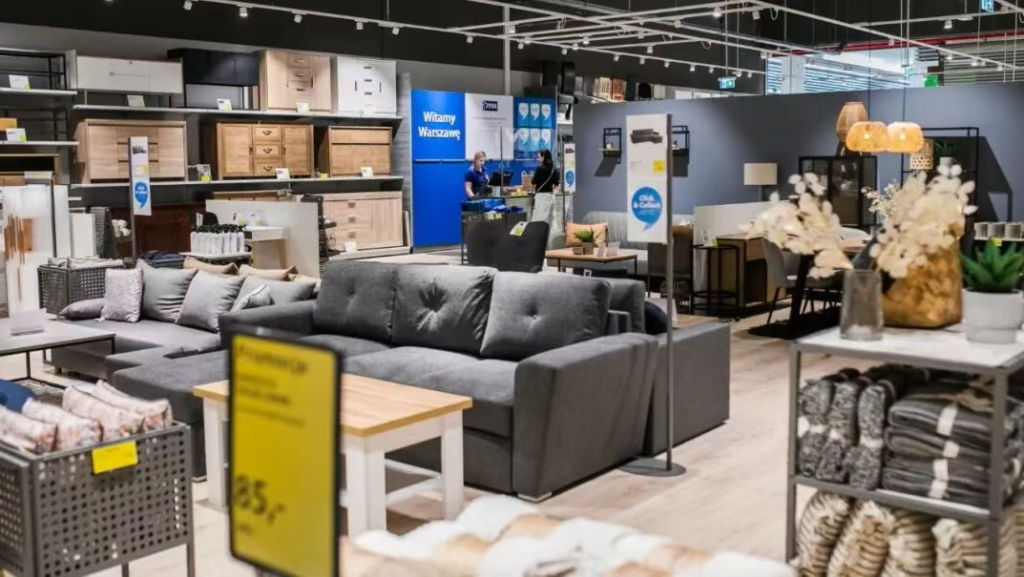
High-frequency furniture retail categories include sofas, mattresses, lighting, tables, chairs, and storage systems. Seasonal promotions (e.g., spring/summer renovation seasons, Black Friday discounts) drive peak sales.
4. Rising Emphasis on Home Aesthetics and Fashionable Design
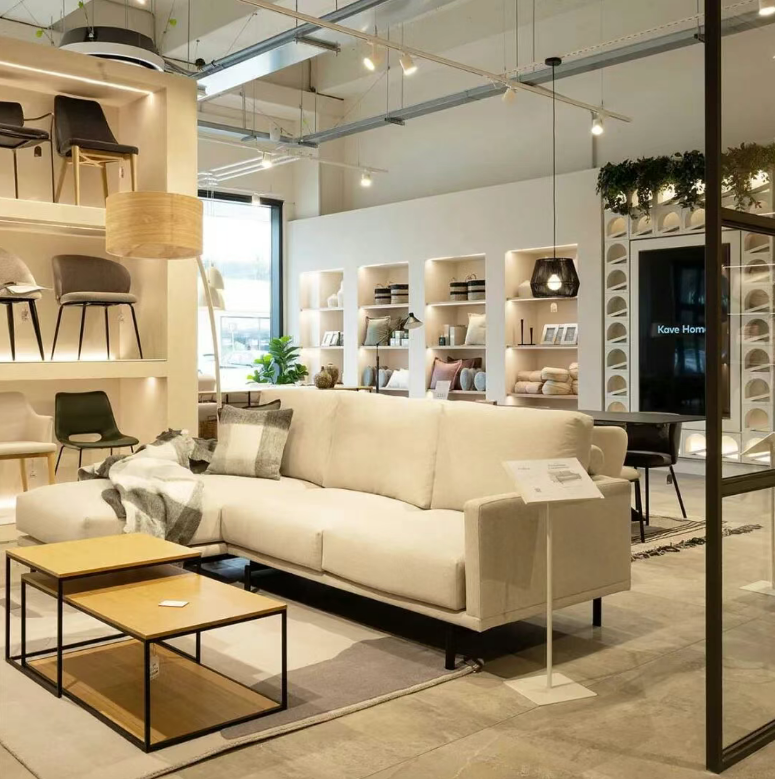
Furniture is no longer just functional; consumers increasingly value design styles (Nordic, Mediterranean, modern minimalism) and styling inspiration. Brands like Zara Home and Kave Home lead the trend of “spatial aesthetics and lifestyle” consumption.
5. Young Consumers as Core Growth Demographic

The 25–40 age group has become the most powerful purchasing demographic, preferring affordable, personalized, and easy-to-assemble furniture. Social media platforms like TikTok and Instagram have become important sources of home inspiration.
6. Deepening Sustainable Consumption Trends
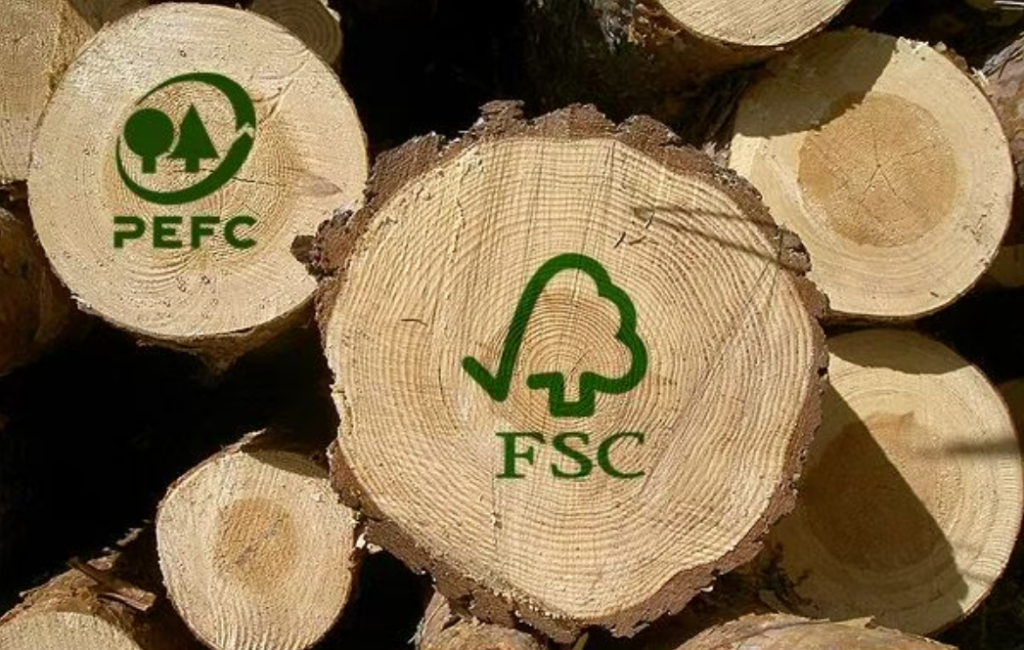
Consumers are increasingly concerned about furniture durability, eco-friendly materials, and carbon footprints. Companies are introducing recycling programs, eco-friendly packaging, and certified products (e.g., FSC wood, OEKO-TEX fabrics).
Overall, the Spanish furniture retail market is in a critical phase of structural upgrading and consumption transformation. Against a backdrop of continued growth in e-commerce penetration and a moderate recovery in the real estate sector, products that combine design, sustainability, and cost-effectiveness are increasingly favored. International brands and local companies are jointly driving the market toward modularization, environmental friendliness, and aesthetic diversification, with younger consumer groups and digital channels becoming core drivers of market growth. Looking ahead, the Spanish furniture market is expected to maintain steady growth, with competitive dynamics increasingly characterized by integration and differentiation.