

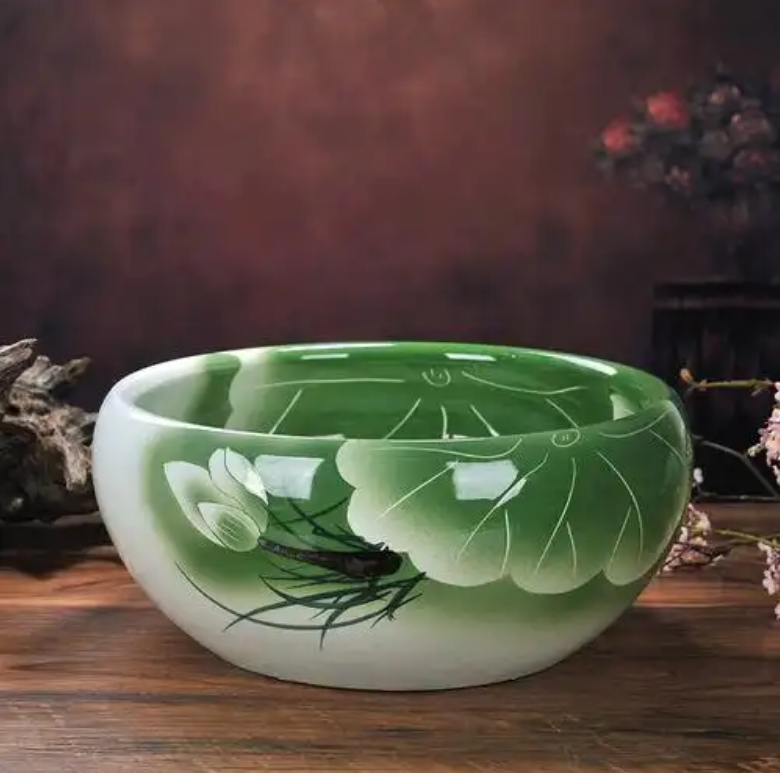
Ceramics, a craft steeped in thousands of years of cultural heritage, have long been an integral part of our daily lives. From tableware on dining tables, decorative ornaments in living rooms, and art collections in studies to wall and floor tiles, ceramics blend practical functionality with unique aesthetic value through their warm texture, diverse shapes, and distinctive charm. They not only serve utilitarian purposes but also reflect the owner’s taste. Choosing a beloved ceramic piece is like adding a unique touch of color to life.
1. Clarify Your Purpose
The first step in choosing ceramics is to clarify your intended use — different scenarios demand vastly different qualities from ceramics. Precisely defining your needs helps avoid impulsive purchases.
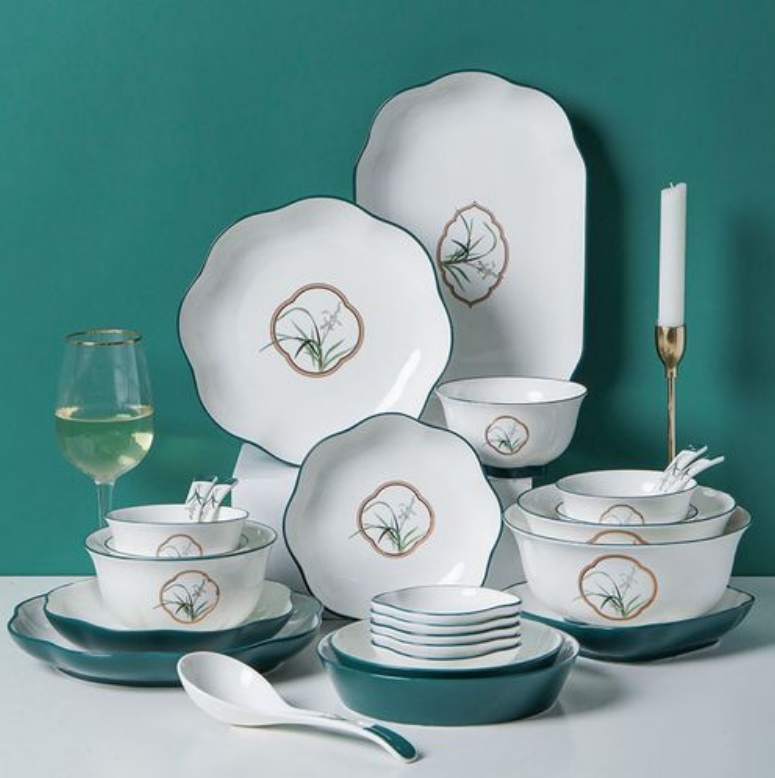
For daily-use ceramics (tableware, tea sets, coffee mugs, etc.), the core requirements are safety, durability, and ease of cleaning. Prioritize material safety (lead-free and cadmium-free), water absorption rate (lower is more stain-resistant), and thermal shock resistance (to prevent cracking from sudden temperature changes). Opt for simple, versatile designs and avoid overly intricate decorations that may hinder use.
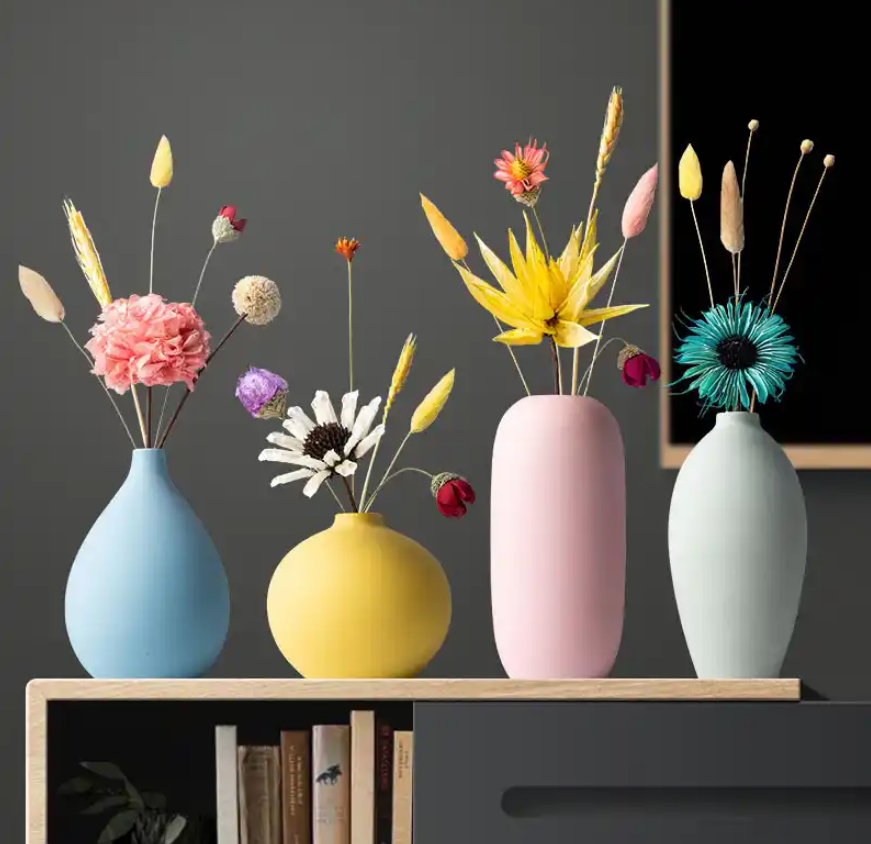
For decorative ceramics (vases, ornaments, wall hangings, etc.), focus on aesthetic value and spatial compatibility. Select shapes, glazes, and patterns that match your home style: for example, modern minimalist spaces suit sleek, solid-color ceramics with clean lines; Chinese-style interiors pair well with pieces featuring blue and white porcelain, underglaze red, or other traditional elements; and European classical styles complement ceramics with gilding, reliefs, or painted details.
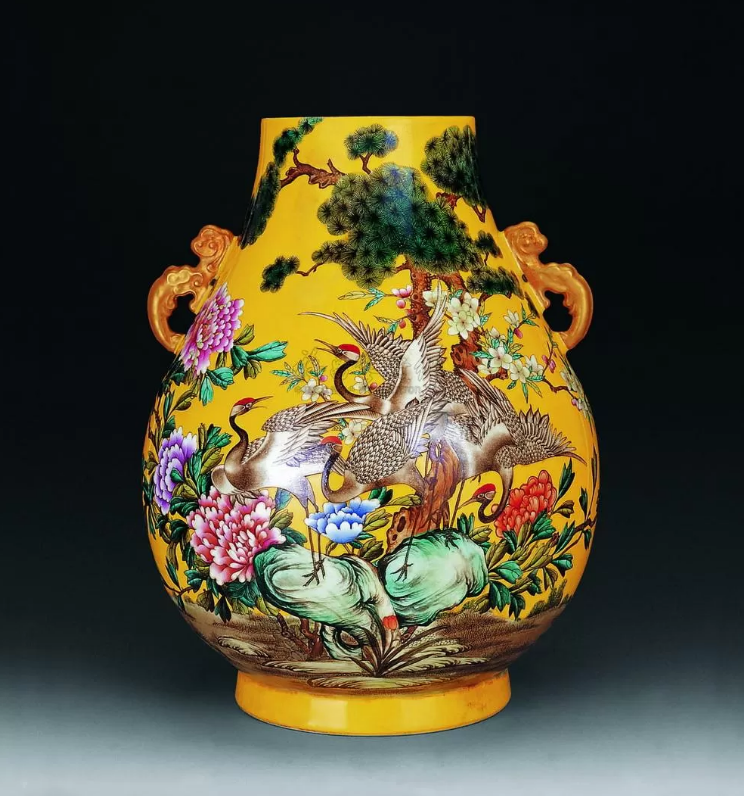
For collectible ceramics, emphasize craftsmanship scarcity, cultural value, and condition. Prioritize handcrafted works, pieces by renowned artists, or intangible cultural heritage crafts (such as Ru kiln, Guan kiln, or Jingdezhen blue and white porcelain). Pay close attention to the regularity of the shape, glaze texture, and detail of patterns, while checking for damage or restoration marks — collectible ceramics demand exceptional condition.
2. Understand Materials
The quality of ceramics starts with raw materials. High-quality ingredients are the basis for ceramics’ hardness, durability, and beauty. Common ceramic raw materials include kaolin, quartz, and feldspar. The ratio and purity of these materials directly affect performance.
Kaolin acts as the “skeleton” of ceramics. Higher purity and finer particle size result in a smoother texture, greater density after firing, and resistance to deformation. Ceramics made from premium kaolin feel warm and substantial, rather than lightweight and brittle.
Quartz and feldspar serve as “auxiliary materials”: quartz enhances hardness and wear resistance, while feldspar lowers the firing temperature and improves glaze smoothness. Well-proportioned raw materials produce ceramics free of pinholes, bubbles, and other defects, emitting a clear, resonant sound when tapped. In contrast, ceramics made from inferior materials feel rough and produce a dull, muffled sound.
3. Examine Craftsmanship
Craftsmanship is the “soul” of ceramics, directly determining their appearance and durability. Evaluate it primarily through firing techniques and glaze craftsmanship.
(1) Firing Technique: The Art of Temperature
Firing temperature is a key indicator of ceramic quality, categorized into low-temperature (800-1000℃), medium-temperature (1100-1200℃), and high-temperature (above 1300℃).
High-temperature ceramics are preferred, especially for daily use and collection. High-temperature firing fully fuses raw materials, resulting in greater hardness, lower water absorption (usually ≤0.5%), wear resistance, and crack resistance. They produce a clear, bell-like sound when tapped. In contrast, low-temperature ceramics are porous with high water absorption, prone to discoloration, bacterial growth, and poor durability, emitting a dull sound when tapped.
Judge firing temperature by feel and sound: high-temperature ceramics feel heavy and smooth, while low-temperature ones are light and rough. Tap the body gently — high-temperature ceramics ring clearly, while low-temperature ones sound muffled. Additionally, high-temperature glazes have a warm, long-lasting luster, while low-temperature glazes may appear dry and peel over time.
(2) Glaze Craftsmanship: A Beautiful Outer Layer
The glaze is like a ceramic’s “outerwear,” influencing both aesthetics and ease of cleaning. High-quality glazes meet three standards: smoothness, uniformity, and freedom from defects.
Inspect the glaze under natural light by rotating the ceramic. Check for flatness, bubbles, pinholes, scratches, or color differences. A premium glaze feels smooth, warm, and free of graininess; inferior glazes are rough, uneven, and may have obvious flaws.
Different glaze styles suit different needs: glossy glazes are bright and easy to clean, ideal for daily-use ceramics; matte glazes offer an understated, luxurious look, perfect for decorations; crackle glazes feature unique textures, suitable for collection or display — but note that crackle glazes may have slight water seepage risks and are not recommended for holding liquids.
Pay attention to glazing techniques: underglaze painting (patterns beneath the glaze) is lead-free and colorfast, suitable for daily use; in-glaze painting (patterns between glaze layers) balances beauty and safety; overglaze painting (patterns on top of the glaze) is vivid but may contain lead in some products — choose certified options and avoid using them for high-temperature food storage.
4. Evaluate Performance
Regardless of purpose, the core performance of ceramics lies in practicality. Focus on water absorption rate and hardness/wear resistance, as these directly determine service life.
(1) Water Absorption Test: A Dialogue Between Water and Porcelain
Water absorption rate measures ceramic density — lower rates mean better durability and stain resistance. Daily-use ceramics should have a water absorption rate ≤0.5%, while decorative ceramics can have slightly higher rates but not excessively so.
Simple test method: Drop a small amount of water on the ceramic surface and let it sit for 1-2 minutes. If the water bead remains round without seeping or spreading, the water absorption rate is low and quality is good. If the water seeps and spreads quickly, the ceramic is porous, prone to discoloration, and difficult to clean.
Note: Avoid testing on damaged glaze areas. For collectible ceramics, minimize water contact to preserve condition.
(2) Hardness and Wear Resistance Test: A Test of Daily Use
Ceramic hardness directly affects wear resistance, especially for daily-use ceramics and tiles, which need to withstand regular use.
Test method: Gently scratch an inconspicuous area of the glaze with a fingernail or coin. High-quality ceramics have hard glazes that resist scratches; easily visible marks indicate low glaze hardness, leading to wear and loss of luster over time.
For daily-use ceramics, test thermal shock resistance: Place room-temperature ceramics in hot water or transfer them from hot water to room temperature. High-quality ceramics can withstand sudden temperature changes (temperature difference ≤200℃) without cracking. Cracking indicates poor thermal shock resistance, requiring careful use.
5. Match Your Style
Beyond quality, ceramics should complement your spatial aesthetics, blending seamlessly with your home style to become a focal point.
Modern Minimalist: Opt for ceramics with smooth lines and simple shapes, in solid colors like plain white, light gray, or beige. Avoid complex patterns; choose pieces with geometric or abstract designs to highlight understated luxury.
Traditional Chinese: Select ceramics with traditional craftsmanship such as blue and white, underglaze red, famille rose, or doucai. Classic shapes like plum vases, yuhuchun vases, or covered bowls pair well with landscapes, flowers, birds, figures, or calligraphy patterns to showcase cultural heritage.
European Classical: Pair with gilded, embossed, or painted ceramics in rounded or curved shapes. Rich colors like gold, blue, or red, along with scrollwork, floral, or court-inspired patterns, create an elegant and luxurious atmosphere.
Pastoral: Choose rough pottery or handcrafted ceramics with matte, light-colored glazes. Hand-painted floral or plant patterns and slightly casual, natural shapes add a rustic touch.
Consider size compatibility with space: Small apartments suit compact, delicate ceramics to avoid occupying too much space; larger spaces can accommodate larger pieces like floor vases or large wall hangings to enhance layering.
Selecting your ideal ceramic piece essentially balances “quality, practicality, and aesthetics.” Start by clarifying your needs, then evaluate materials, craftsmanship, and performance, and finally match your style and brand. Following this logic helps you avoid inferior products and find the perfect ceramic for you.
Ceramics are more than just objects — they express a lifestyle. Whether used daily as tableware, displayed as decorative accents, or cherished as collectible art, a high-quality ceramic piece adds warmth and texture to life. May this guide help you spot your perfect ceramic piece among countless options, letting the warmth and beauty of ceramics accompany your daily life.